Hermès: Analyzed

Naming Teardown
Sunday, February 22, 2026
Hermès: Analyzed
Hermès: Analyzed
Written by
Micro-Proof
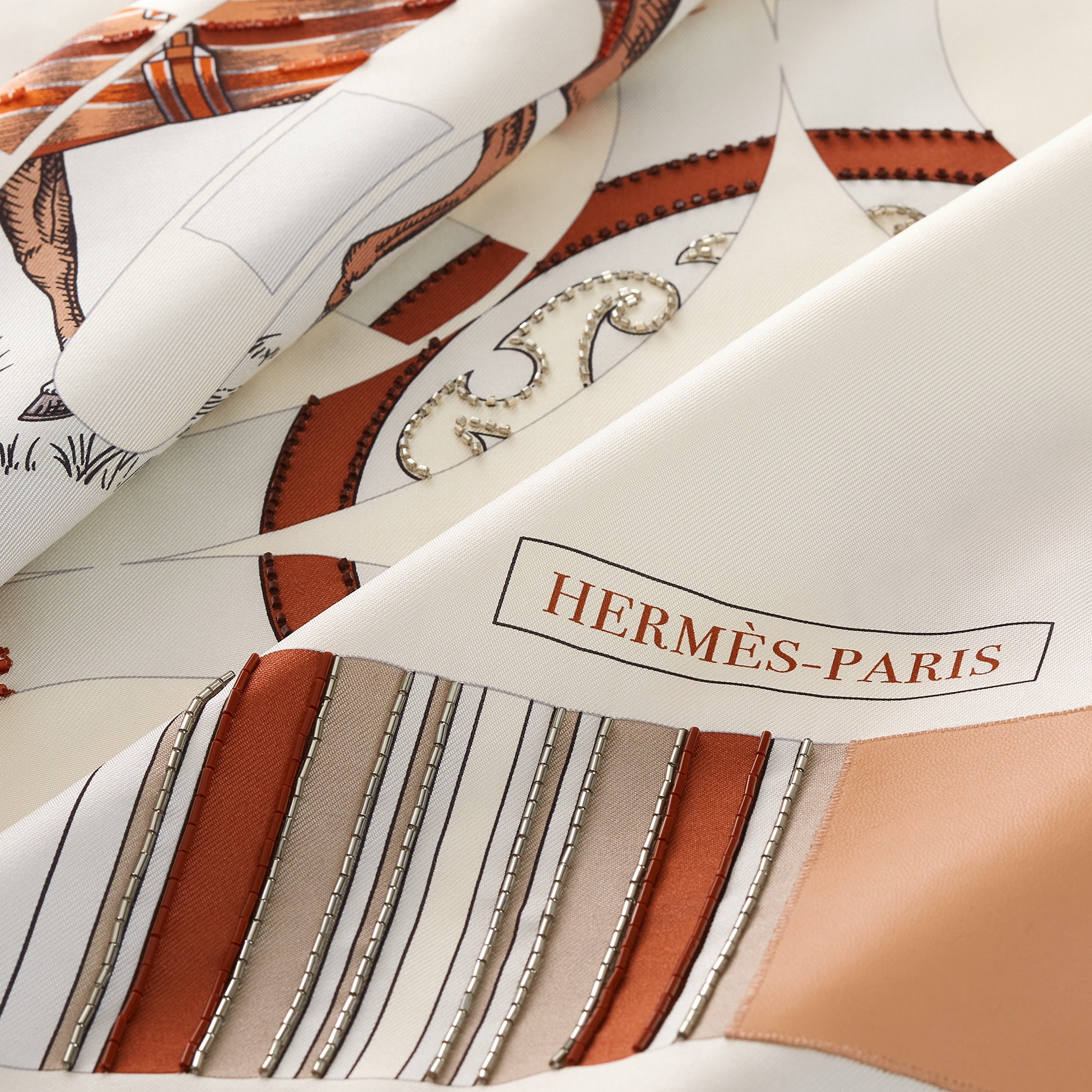
Hermès is a name that carries myth, craft, and cultural authority in two syllables. It is a linguistic artifact that signals heritage and mastery without describing itself.

MICRO‑PROOF: HERMÈS

Objective

To analyze the structural, linguistic, and cultural architecture that makes Hermès one of the most semantically dense names in luxury.

numelume’s POV

Hermès is a name that demonstrates the power of inheritance over invention. It shows how a brand can achieve global dominance not by explaining itself, but by embodying a mythic identity with absolute confidence. Hermès is evidence of strength in semantic clarity — a container of meaning, built to express a world in two syllables.


1. Mythic Architecture

Hermès is the name of a Greek god — the deity of movement, trade, craftsmanship, and liminality.
The brand inherits these domains through resonance, not reference.

The name inherently carries:

  • speed

  • precision

  • craft

  • exchange

  • mastery of thresholds

It is myth distilled into identity.


2. Phonetic Geometry

Hermès (/ɛʁ.mɛs/) is a study in luxury phonetics:

  • open vowels that feel soft and elevated

  • liquid consonants that glide

  • a final sibilant that closes with precision

  • the accent grave as a marker of Frenchness and exclusivity

The accent is not aesthetic — it is authority.


3. Cultural Evolution

Founded as a harness workshop, Hermès grew through domains that mirror the god’s own:

  • travel → saddlery, luggage

  • craft → leather, silk, equestrian mastery

  • exchange → global luxury commerce

  • communication → the orange box as a universal signal

Hermès became a modern myth by inhabiting an ancient one.


4. Semantic Density

Hermès operates on multiple layers simultaneously:

  • mythological figure

  • French surname

  • luxury house

  • cultural symbol

  • linguistic artifact

  • global status marker

Few names hold this much meaning with this much ease.


5. Linguistic Authority

Hermès is a name that refuses translation.
It remains French everywhere — a deliberate act of linguistic dominance.

This creates:

  • cultural distance

  • aspirational elevation

  • a sense of origin and authenticity

  • a boundary between the brand and the world

Hermès is not adapted; the world adapts to Hermès.


6. The Naming Principle

Hermès shows that a name’s power comes from depth, not description.

Descriptive names win when direct clarity is the strategy.
Hermès wins because of its semantic clarity.
It is evidence that naming practices are agile, responsive to a brand's identity and rich in strategy to emotionally resonate with its market. Hermès is not descriptive. It is a name that earns its silence through stillness of semantic clarity.


Conclusion

Hermès is not a brand name — it is a cultural artifact.
Its strength comes from mythic inheritance, phonetic elegance, linguistic authority, and semantic density.
It demonstrates how a name — descriptive or not — becomes destiny when chosen with intention and built for long‑term strategic advantage.

More articles

Friday, February 27, 2026

Written by

numelume

numelume: Analyzed
Naming Teardown

This is one exception. We named numelume. numelume is a lowercase, four‑syllable, vowel‑forward name built on repetition, mirroring, and softness. It operates as a linguistic container for clarity, transformation, and illumination without tying itself to any industry, methodology, or trend. Its power comes from neutrality engineered with intention.

numelume: Analyzed
Naming Teardown
numelume: Analyzed
Naming Teardown
Saturday, February 21, 2026

Written by

numelume

Mercedes-Benz: Analyzed
Naming Teardown

“Mercedes‑Benz” is one of the most structurally distinctive compound brand names in the automotive world. It fuses a given name with a surname, a rare dual‑origin architecture that creates warmth, precision, and global recognizability. The hyphen is not decorative — it is the structural joint that binds two different naming logics into a single luxury identity.

Mercedes-Benz: Analyzed
Naming Teardown
Mercedes-Benz: Analyzed
Naming Teardown
Friday, February 20, 2026

Written by

numelume

Duolingo: Analyzed
Naming Teardown

Duolingo’s name is a deliberate act of tonal reframing: a compound that turns language learning from institutional labor into a friendly, kinetic habit. By combining a numeric intimacy (“duo”) with a casual register (“lingo”) and finishing on an implicit verb (“go”), the name reframes the category around companionship, motion, and everyday use. This micro‑proof demonstrates how Duolingo’s linguistic choices create clarity, cultural portability, and category advantage—why a slightly quirky, constructed name's inevitability creates the conditions for success: clarity, trust, and repeatable action.

Duolingo: Analyzed
Naming Teardown
Duolingo: Analyzed
Naming Teardown
Wednesday, February 18, 2026

Written by

numelume

Coca-Cola: Analyzed
Naming Teardown

Coca‑Cola’s name is a 19th‑century ingredient compound that evolved into one of the most recognizable linguistic artifacts on Earth. Built from two botanical sources — coca leaves and kola nuts — the name demonstrates how a technical formulation can transform into a global cultural symbol through phonetic rhythm, visual identity, and semantic expansion. This micro‑proof examines how an ingredient‑driven construction became a universal shorthand for refreshment, Americana, and brand permanence, proving that a name can achieve mythic scale through repetition, cadence, and the disciplined preservation of its original structure.

Coca-Cola: Analyzed
Naming Teardown
Coca-Cola: Analyzed
Naming Teardown
Abstract composition
Tuesday, February 17, 2026

Written by

numelume

Apple: Analyzed
Naming Teardown

Apple’s name is a deliberate act of semantic inversion: a common, non‑technical word elevated into the world’s most valuable technology identity. By rejecting the metallic, acronymic, and engineering‑driven naming norms of its era, Apple reframed the entire category around human‑centric simplicity. This micro‑proof examines how an everyday object became a global design signal, demonstrating that a name can achieve extraordinary power through clarity, contrast, and the disciplined use of linguistic restraint.

Abstract composition
Apple: Analyzed
Naming Teardown
Abstract composition
Apple: Analyzed
Naming Teardown

WE NAME THE FUTURE.
Your success is next.

WE NAME
THE FUTURE.

Your success is next.

Team working in an office watching at a presentation