Glossier: Analyzed

Naming Teardown
Sunday, February 8, 2026

Abstract composition
Glossier: Analyzed
Glossier: Analyzed
Written by
Micro-Proof
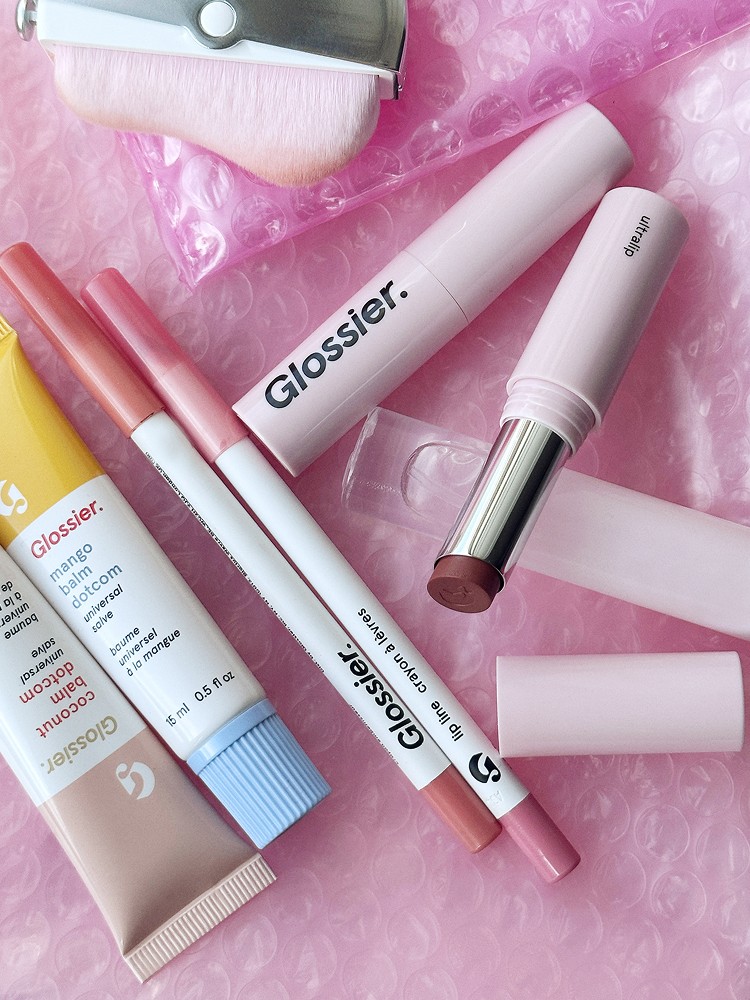
Glossiers name looks effortless, but its power comes from precise linguistic engineering hiding in plain sight. This microproof uncovers the mechanics that made it a cultural phenomenon and the subtle fractures most people never notice. If you want to understand why the name worked as well as it did, this teardown reveals the truth beneath the gloss.
MICRO‑PROOF: A Naming Teardown of “Glossier”

Objective

Demonstrate analytical precision by dissecting a culturally successful brand name and revealing the structural decisions that make it endure.


1. Structural Composition

gloss + ier

  • Root: “gloss” → shine, clarity, finish

  • Suffix: “‑ier” → comparative form, but here repurposed as a French‑coded cosmetic ending

  • Effect: A familiar English base elevated by a soft, aspirational European gesture

This dual‑register construction is a classic example of approachable premium: everyday language with a subtle sophistication layer.


2. Phonetic Profile

  • Opening consonant cluster: /gl/ → clean, quick, tactile

  • Vowel spine: short /ɒ/ → warm, rounded, friendly

  • Ending: /i.eɪ/ (English) or /je/ (French‑coded) → light, airy, upward

The name moves from dense → open, creating a sense of lift. This is a common pattern in beauty naming because it mirrors transformation.


3. Semantic Positioning

The name signals:

  • Surface enhancement (gloss)

  • Ease and effortlessness (soft phonetics)

  • Everyday luxury (French suffix coding)

It avoids:

  • Clinical language

  • Genderized tone

  • Trend‑locked vocabulary

This neutrality is strategic: it allows the brand to expand across categories without semantic friction.


4. Cultural & Linguistic Cleanliness

  • Cross‑linguistic safety: No negative meanings in major Romance or Germanic languages

  • Pronunciation stability: Two dominant readings, both acceptable

  • Searchability: Unique enough to own, common enough to remember

The name is engineered for global travel without sacrificing charm.


5. Competitive Landscape Fit

At launch, beauty naming skewed toward:

  • maximalism (Too Faced, Urban Decay)

  • clinical minimalism (The Ordinary)

Glossier positioned itself in the unoccupied middle:
warm minimalism — soft, clean, human.

This is the exact type of whitespace mapping numelume specializes in.


6. Why the Name Endures

  • Balanced tension between familiar and elevated

  • Phonetic softness that matches brand voice

  • Category‑relevant semantics without cliché

  • Linguistic safety across markets

  • Elasticity for product line expansion

It is not “creative.”
It is engineered.


numelume POV

This teardown demonstrates numelume’s core belief:
A strong name is not invented — it is constructed.
Through structure, phonetics, cultural logic, and competitive mapping, a name earns its place.

More articles

Friday, February 27, 2026

Written by

numelume

numelume: Analyzed
Naming Teardown

This is one exception. We named numelume. numelume is a lowercase, four‑syllable, vowel‑forward name built on repetition, mirroring, and softness. It operates as a linguistic container for clarity, transformation, and illumination without tying itself to any industry, methodology, or trend. Its power comes from neutrality engineered with intention.

numelume: Analyzed
Naming Teardown
numelume: Analyzed
Naming Teardown
Sunday, February 22, 2026

Written by

numelume

Hermès: Analyzed
Naming Teardown

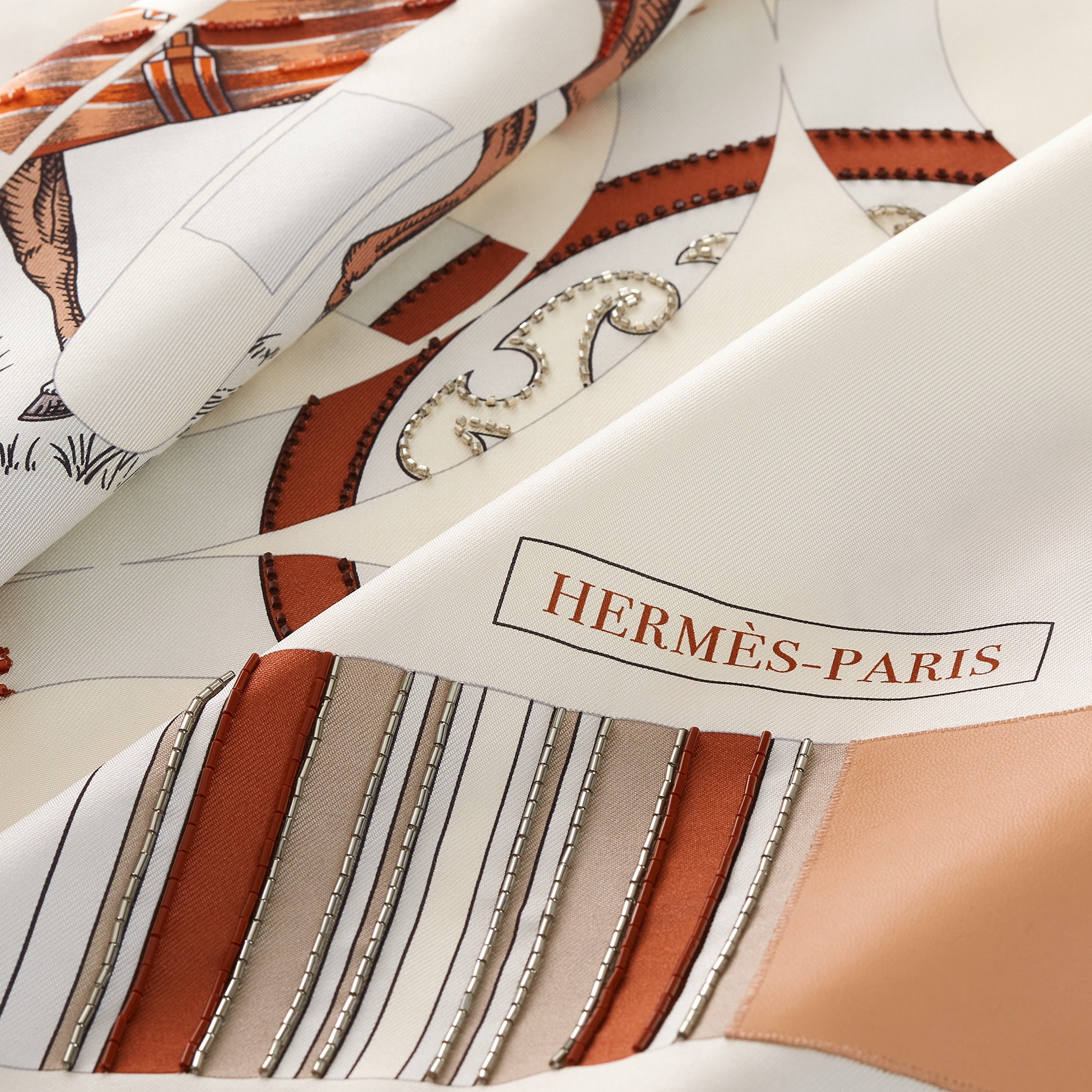
Hermès is a name that carries myth, craft, and cultural authority in two syllables. It is a linguistic artifact that signals heritage and mastery without describing itself.

Hermès: Analyzed
Naming Teardown
Hermès: Analyzed
Naming Teardown
Saturday, February 21, 2026

Written by

numelume

Mercedes-Benz: Analyzed
Naming Teardown

“Mercedes‑Benz” is one of the most structurally distinctive compound brand names in the automotive world. It fuses a given name with a surname, a rare dual‑origin architecture that creates warmth, precision, and global recognizability. The hyphen is not decorative — it is the structural joint that binds two different naming logics into a single luxury identity.

Mercedes-Benz: Analyzed
Naming Teardown
Mercedes-Benz: Analyzed
Naming Teardown
Friday, February 20, 2026

Written by

numelume

Duolingo: Analyzed
Naming Teardown

Duolingo’s name is a deliberate act of tonal reframing: a compound that turns language learning from institutional labor into a friendly, kinetic habit. By combining a numeric intimacy (“duo”) with a casual register (“lingo”) and finishing on an implicit verb (“go”), the name reframes the category around companionship, motion, and everyday use. This micro‑proof demonstrates how Duolingo’s linguistic choices create clarity, cultural portability, and category advantage—why a slightly quirky, constructed name's inevitability creates the conditions for success: clarity, trust, and repeatable action.

Duolingo: Analyzed
Naming Teardown
Duolingo: Analyzed
Naming Teardown
Wednesday, February 18, 2026

Written by

numelume

Coca-Cola: Analyzed
Naming Teardown

Coca‑Cola’s name is a 19th‑century ingredient compound that evolved into one of the most recognizable linguistic artifacts on Earth. Built from two botanical sources — coca leaves and kola nuts — the name demonstrates how a technical formulation can transform into a global cultural symbol through phonetic rhythm, visual identity, and semantic expansion. This micro‑proof examines how an ingredient‑driven construction became a universal shorthand for refreshment, Americana, and brand permanence, proving that a name can achieve mythic scale through repetition, cadence, and the disciplined preservation of its original structure.

Coca-Cola: Analyzed
Naming Teardown
Coca-Cola: Analyzed
Naming Teardown

WE NAME THE FUTURE.
Your success is next.

WE NAME
THE FUTURE.

Your success is next.

Team working in an office watching at a presentation